You Picked the Project. So Why Can't You Start?
You picked the project and you still cannot start. Five minutes, tasks matched to the energy you actually have, and fewer things open at once.
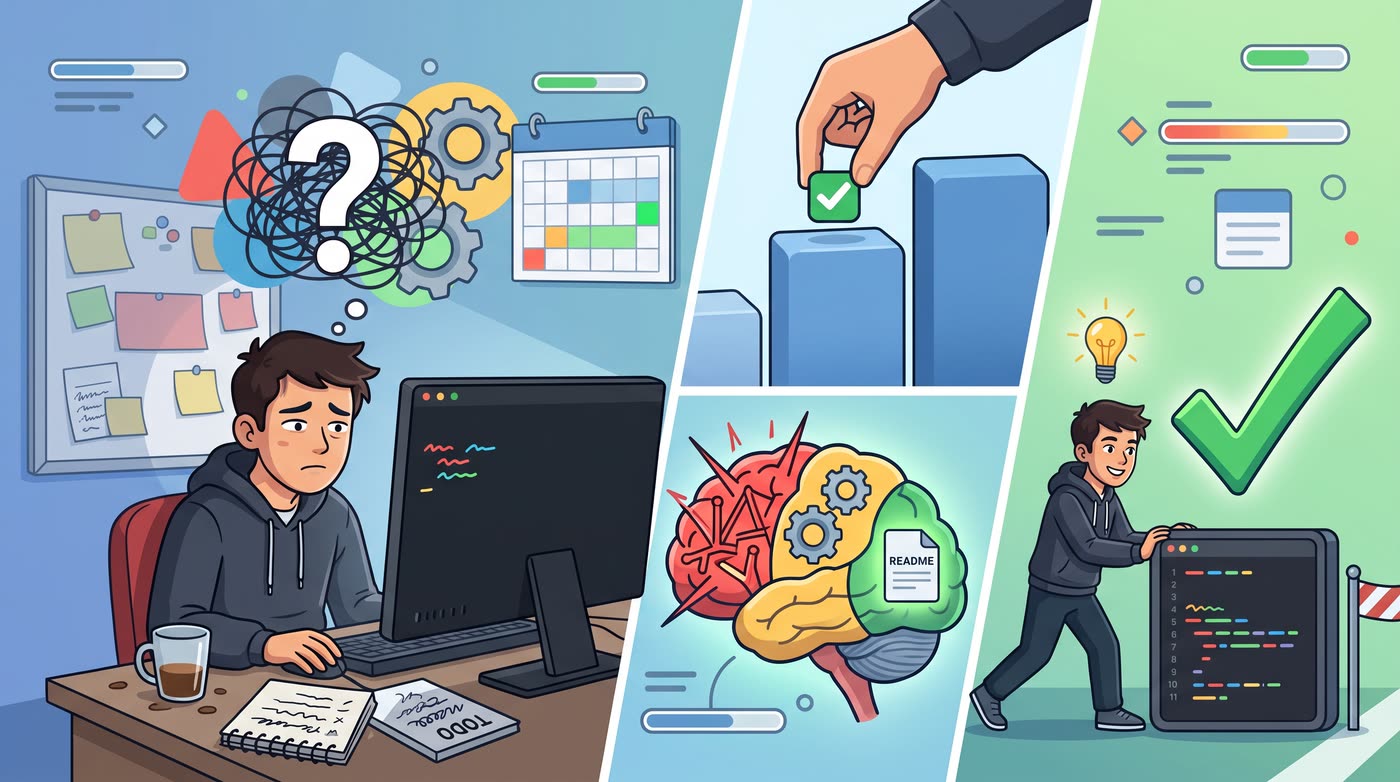
Sometimes it's hard to get motivated to work on things you don't want to do.
Sometimes it's hard to work on things you DO want to do.
That second one can feel confusing. You picked the project. You were excited about it last week! But now you're sitting there with the editor open doing absolutely nothing. This is normal.
I'm an engineering manager, and I still sometimes lose whole evenings staring at a file, thinking in circles.
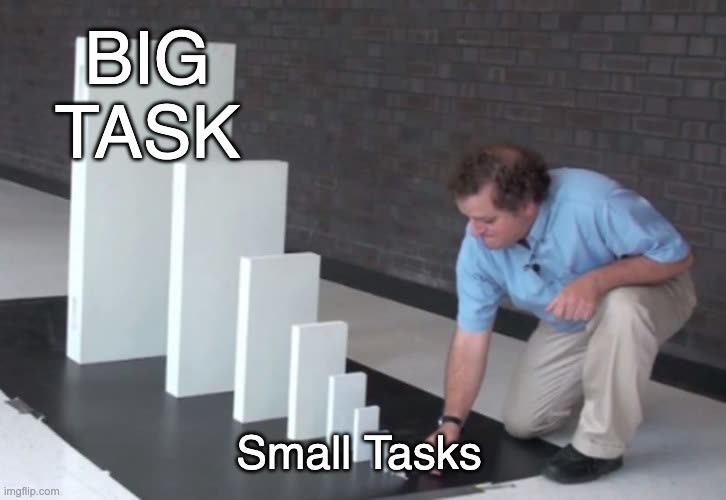
What I have come to appreciate is that sometimes all you need to do is chip away at something over time, not all at once.
Some common tricks: Permalink to this section
1. Just start. Five minutes. Permalink to this section
That first step is the heaviest one. So give it five or ten minutes of real attention. More often than not you get hooked and keep going, and if you don't, you still move something forward and that counts a lot!
2. If it's tiny and you're between things, knock it out Permalink to this section
If something takes two or three minutes and you're already between tasks, just do it. Don't log it, don't schedule it, don't file it in a tool. The overhead of tracking a two minute task costs more than the task.
But do NOT do this mid-flow. A "quick" fifteen minute detour is never fifteen minutes, because you also pay for the twenty it takes to get your head back where it was. Let the small stuff pile up, then clear it in one pass when you're ready for lighter work.
3. Do less at once Permalink to this section
Too many active projects burns you out faster AND ships slower. Every open thing is renting space in your head whether you're working on it or not.
Putting something down is not failure. It's the sign of someone who has done this a few times, and knows how to say yes to the right things.
4. Block the time, but be reasonable about it Permalink to this section
If you don't have the energy right now, spend a minute figuring out when you will, and put it on the calendar.
Two rules when you do:
- Don't underfeed a task. An hour blocked for something that needs three is just a scheduled failure
- Don't overpack a day. Leave wiggle room. Things run long, that's normal
Sometimes setting goals for the day vs a particular hour block can be helpful.
Some of my personal tricks: Permalink to this section
5. Match the task to the energy you actually have Permalink to this section
You may not have the same amount of gas every day. So plan accordingly.
I stopped sorting my work by just priority and started sorting it by energy cost:
- High energy stuff (architecture, hard decisions, difficult conversations) goes in my sharpest window / peak of day
- Medium stuff (code review, routine dev, meetings) goes in the middle of the day
- Low stuff (email, docs, cleanup) goes in the valleys
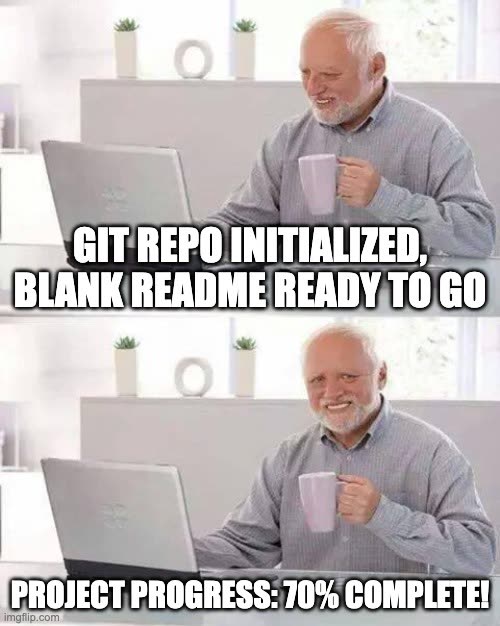
Low energy day? Don't try to refactor the payment gateway. Go update the README nobody has touched since 2023, or bump the dependencies that have been throwing warnings at you for a month.
Small stuff very much counts, and it usually gets you moving on the bigger tasks anyway.
6. Let yourself actually recover Permalink to this section
If burnout is what's stopping you, take the break. Heal.
Do not underestimate sleep, food, medication, and having a life outside the screen. If you're not recharging, you're running the battery down, and you WILL feel it. Usually at the worst possible time.

7. Build a process, and set real deadlines, pat yourself on the back! Permalink to this section
For anything you do more than twice, have a process or workflow.
Write it down and follow it. It makes you faster every single time after the first.
I have a process for deciding whether to even take on a new project: determine the value, determine if someone else is already doing what I am doing, determine the effort needed, etc. If the project doesn't meet certain criteria, it is likely a candidate for skipping.
Set deadlines and mean them. Miss one, don't spiral about it. Do a quick retro on why things fell behind, make a plan, get back on track.
And celebrate the small wins. You will be shocked how much you've done when you start keeping track.
Remember: it will suck sometimes Permalink to this section
It will not all be fun. There's a stretch in the middle of every project where it's just grinding and there's no fun in it at all.
Be gracious with yourself when that hits. But also take credit for what you're taking on, and take responsibility for it. You signed up for something hard. That's allowed to be hard.
That's the game Permalink to this section
You don't need a perfect system. You need five minutes, a task that matches your energy, and fewer things open at once.
Start there. You can do this!